
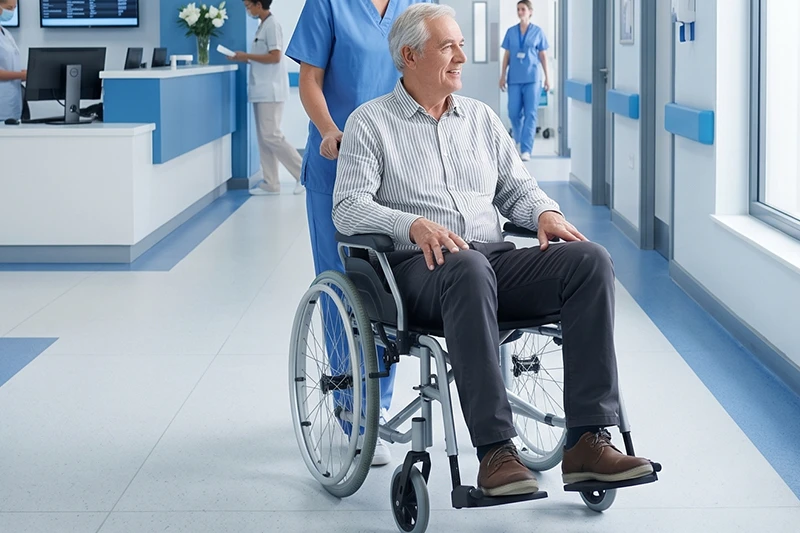
For decades, traditional mobility aids were viewed purely through a clinical lens—heavy, industrial, and sterile. Today, a design revolution is happening. The modern senior and individual with limited mobility demand products that fit seamlessly into a vibrant, active lifestyle.
At the intersection of ergonomics, advanced materials, and human-centered design, next-generation home care equipment is redefining what it means to live with assistance.
Key Innovations Driving the Industry Forward
| Feature | Traditional Mobility Aids | Next-Gen Ergonomic Equipment |
| Material Innovation | Heavy steel frames, prone to rusting in humid environments. | Aircraft-grade aluminum and carbon fiber; ultra-lightweight yet ultra-strong. |
| Ergonomic Design | Basic handles that cause wrist strain over prolonged use. | Anatomical handgrips with pressure-distribution and integrated, loop-lock braking systems. |
| Aesthetics & Storage | Bulky, non-folding structures that are difficult to transport. | One-hand compact folding mechanism; sleek, modern colorways that reduce clinical stigma. |
Redefining Bathroom Safety
Innovation isn’t limited to rollators and wheelchairs. Modern shower chairs and commodes now utilize antimicrobial plastics and tool-free assembly designs. This makes them incredibly easy for caregivers to clean and adjust, while the sleek, understated aesthetics blend beautifully into modern residential bathrooms.
Design with Dignity
The ultimate goal of upgrading mobility technology is to eliminate the stigma attached to aging and physical limitations. When a rollator looks less like a medical device and more like premium outdoor gear, users are more likely to stay active, engage with their communities, and maintain their mental and physical well-being.